Hereford Unfolded
Central Hereford
Central Hereford
Hereford Unfolded
There are cities that announce themselves with noise and skyline. And then there is Hereford.
Tucked into a broad bend of the River Wye, close to the Welsh border and surrounded by orchard country, Hereford does not shout. It reveals. The approach is pastoral. Timbered houses lean slightly into narrow streets. The cathedral tower rises without drama. The air carries a faint sweetness that, certainly in autumn, belongs unmistakably to apples. Do not leave the place without at least sipping Hereford cider.
Many decades ago, I lived near the city and wanted to return, so return I did. However, on this occasion, I stayed in Hereford city centre. I did not object. It is compact, walkable, and dense with history. I could cross it in minutes. Even now, so many years later, I have not unravelled the place.
Stone, Faith and Maps
Every visit to Hereford begins at its cathedral. It is impossible for it not to. The place is so imposing.
The cathedral sits just off High Town, enclosed by a green close that seems to hold the centuries at bay. Its origins lie in the 11th century, although the building now is a layering of Norman solidity and subsequent Gothic aspiration. The central tower is squat and resolute, while the cathedral holds multiple treasures.
Inside, light filters through pale stone. The nave is restrained rather than grand. There is something almost provincial about it, and I mean that kindly. It is not trying to compete with York or Canterbury. It is Hereford.
Two treasures define this cathedral. The first is the Mappa Mundi in the cathedral’s north transept. This is a medieval world map created around 1300. It does not pretend to be accurate in the modern sense. Jerusalem is at the centre. East is at the top. Monsters prowl the margins. It is less a geographical document than a theological one, a diagram of belief. To stand before it is to see how the medieval mind organised the world.
The second treasure is the Chained Library. Books were once literally chained to shelves so they would not wander. Knowledge tethered. The symbolism feels potent in an age where information slips so easily away.
The cathedral takes more time to visit than one might imagine. I spent at least an hour there and should have spent two. The place is not merely a building, it is the city’s anchor.
The great composer, Sir Edward Elgar, lived in Hereford from 1904 to 1911. There is a statue of him, and his Sunbeam bicycle, on Cathedral Green, just outside the cathedral. It is easily missed but utterly peaceful in its corner.
Timber, Trade and Time
Once I stepped back into nearby High Town, I was in the commercial heart of Hereford. Shops clustered around a broad pedestrianised space. Buskers claimed corners. Locals moved with unhurried familiarity, talking with each other, indeed with anyone who might listen, whenever the opportunity arose.
Dominating one side was the black-and-white timbered façade of The Old House. Built in 1621, it was a classic Jacobean structure, with all-overhanging beams and patterned plaster. Today, it displays museum exhibits of life in its era, but even without going inside, it looked seriously enchanting.
Nearby stood the Butter Market, a Victorian addition with a slightly stern dignity. Hereford has always been a market city. Cattle, cider, and agriculture shaped it. The rural economy still hums just beyond the ring road, despite big Government’s countryside-ruining building plans. Barely any once-rural centre I have visited in the UK in recent times has been spared the assault of the builder. Hereford is no exception.
What struck me most about High Town was the scale. Nothing overwhelmed. I was never dwarfed by glass towers, as I am frequently in London. Hereford city centre was built to human proportions and invited walking. I did plenty.
Narrow Streets, Slow Steps
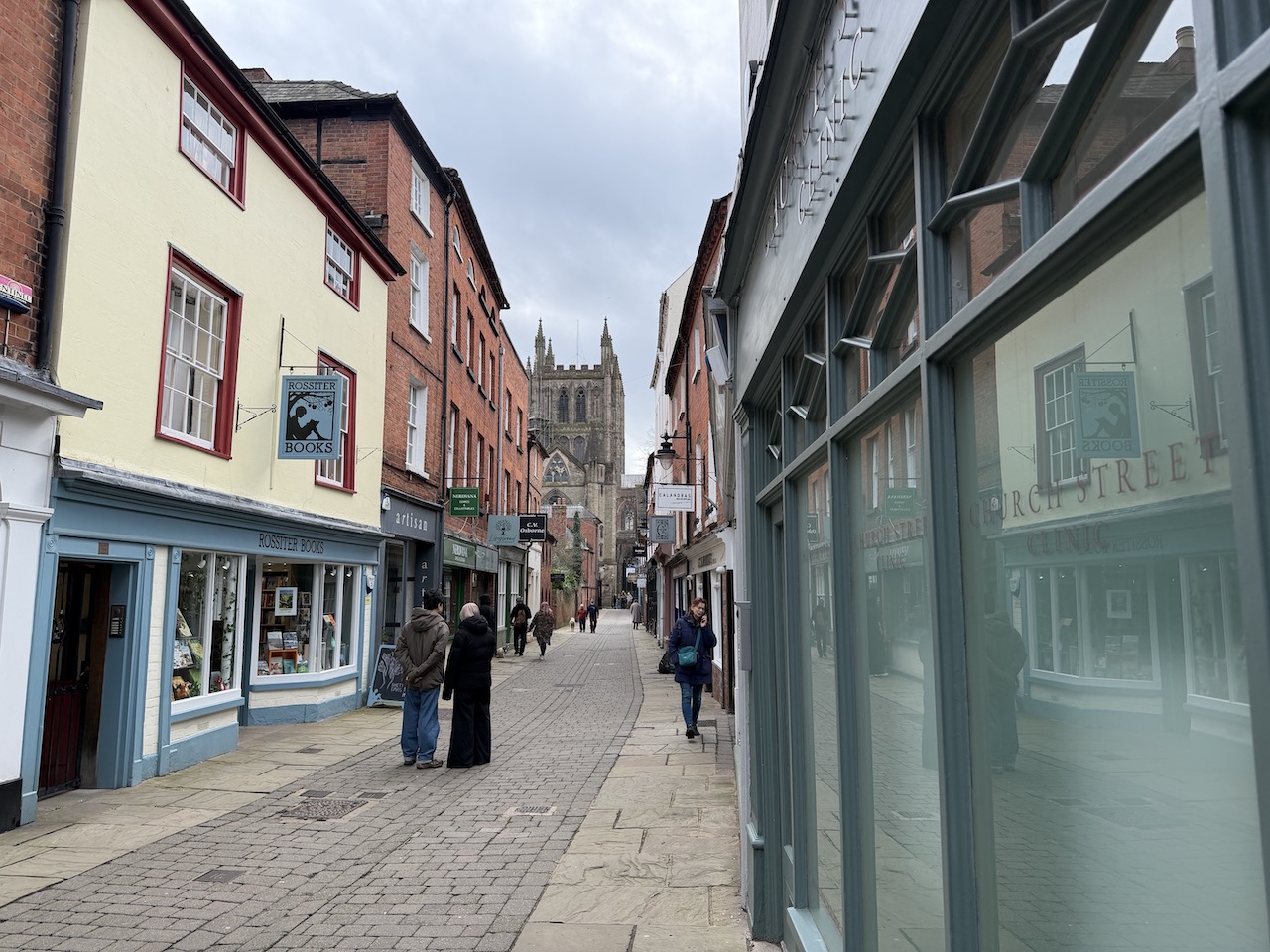
As I turned into the side streets radiating from High Town, I sensed the mood shifting subtly. The buildings closed in. Timber frames recurred. Independent shops lined the street. Small cafés and artisan stalls offered pauses from exploring. I drank far more coffee than was good for me and ate plenty of sticky cakes.
Down one of the tiny side streets, I made the error of visiting an independent bookshop. I love such places, but I worry about them, too, as I cannot visit a bookshop without buying a book. It is almost a disease. Visiting bookshops is thus an expensive exercise, if you are me. Typically, perhaps, I bought several books. There was one on the geology of our planet, and another on tracking animals. Neither had I seen advertised, but both were on clear display in Hereford. They cost me a small fortune, and away I then went.
It was in Hereford’s small and narrow streets, very near the cathedral, that its character feels most intact. I could have been in a painting by someone fond of provincial England. There was a sense of continuity rather than reinvention. Although there is plenty to see and do in Hereford, perhaps the best is to wander without an agenda. The city appears to reward aimlessness.
Water at the Edge
A short walk south from the cathedral brought me to the River Wye. The river curves gently past the city, wide and unhurried. From time to time, it floods. I crossed an old bridge and reached a place called Bishop’s Meadow, an open sweep of grass that felt almost rural. From there, I could see the cathedral tower rising beyond the trees. Canoes drifted downstream. Ducks went about their business, whatever that may have been. They invariably seem to paddle with intent. Meanwhile, dogs chased balls with enthusiasm. For a Hereford city break, this proximity to open space was a gift. I moved from medieval map to bookshop, to riverbank in minutes. It softened the urban edge.
The River Wye has always shaped Hereford. Trade moved along it. Floods have tested the city’s resilience. Years back, I remember helping locals in my rubber raft. Their houses had become submerged by the rising water, and yet none of them appeared distressed. Even today, conversations about water quality and agricultural runoff echo through local debate. The Wye is both asset and responsibility.
Apples and Industry
A short stroll from the centre took me to the Cider Museum, housed in a former cider factory. Herefordshire is orchard country. The name Hereford carries agricultural weight, whether in cattle or apples, or simply being rural but with style.
Inside the museum, presses and vats charted the evolution of cider-making from farmhouse to industry. The scent of fermenting apples was faint, even there, but it was persistent. Tasting sessions, small though they were, reminded me that Hereford cider is not merely a summer refreshment. It is part of the local heritage. I would have been missing something significant had I decided not to taste the city’s cider.
If any visitor wonders what makes Hereford distinct from other English cathedral cities, cider is part of the answer.
A City at Ease
It would be easy to overlook Hereford in favour of more famous cathedral cities. It lacks the marketing machine of larger destinations. Yet perhaps that was precisely its appeal. In a world that increasingly flattens local character, where social media is taking over, and AI is turning society upside down, Hereford persists. Cathedral, market, river, timbered streets, cider, and even bookshops - each element reinforces the other.
There seems no doubt, for a traveller seeking an authentic English city break, Hereford offers something increasingly rare and special. It should not be missed.
I left as I had arrived, without fanfare. The cathedral tower receded in my rear-view mirror. Orchards flanked the road, a farm shop flashed by, as did the occasional tractor. I had just visited a city that was comfortable in its own skin.
And that, in contemporary Britain, is no small thing.
Hashtags
#Hereford
#HerefordCity
#RiverWye
#EnglishCities
#SlowTravel
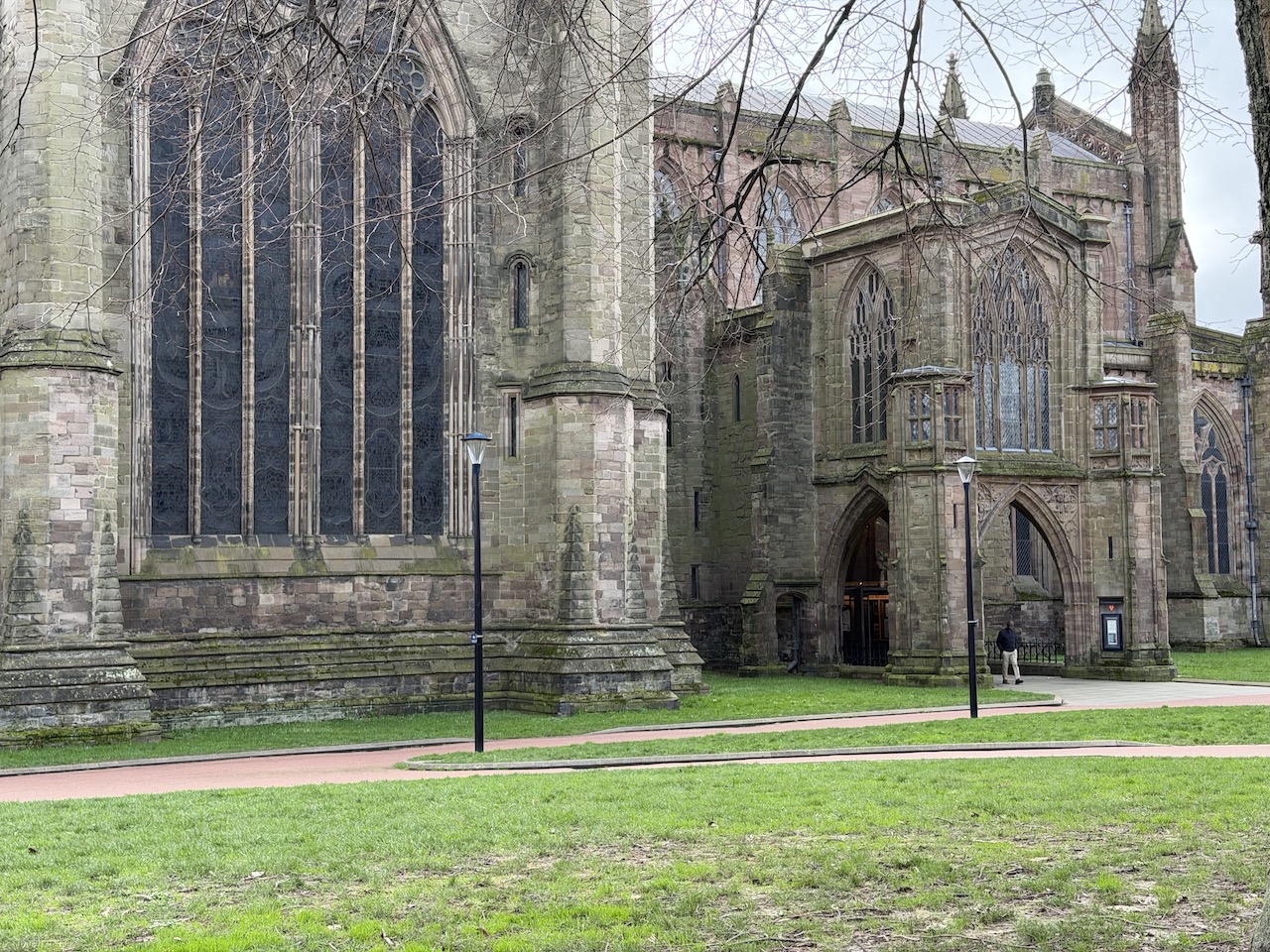
Hereford Cathedral
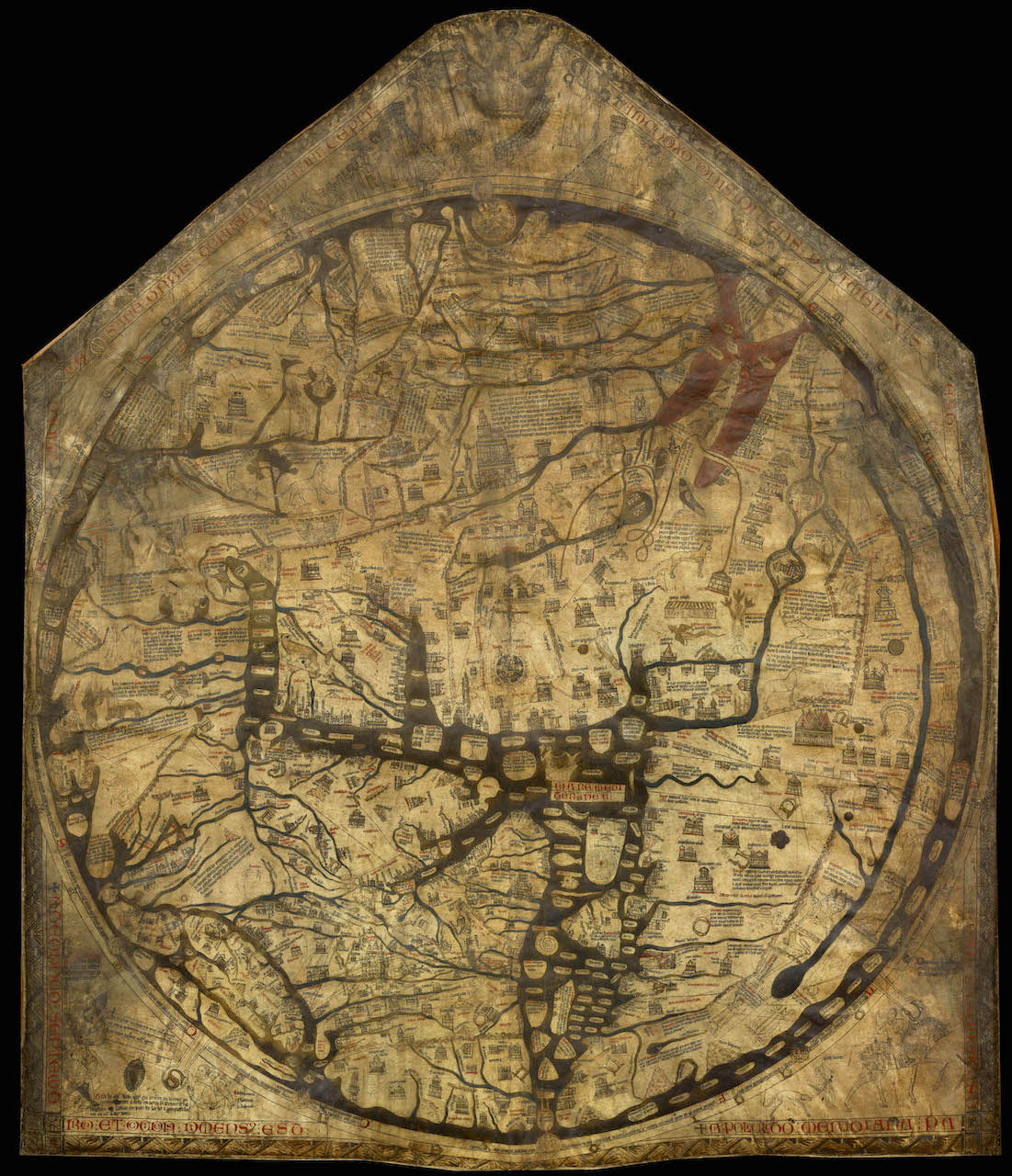
Mappa Mundi (courtesy Wikipedia)
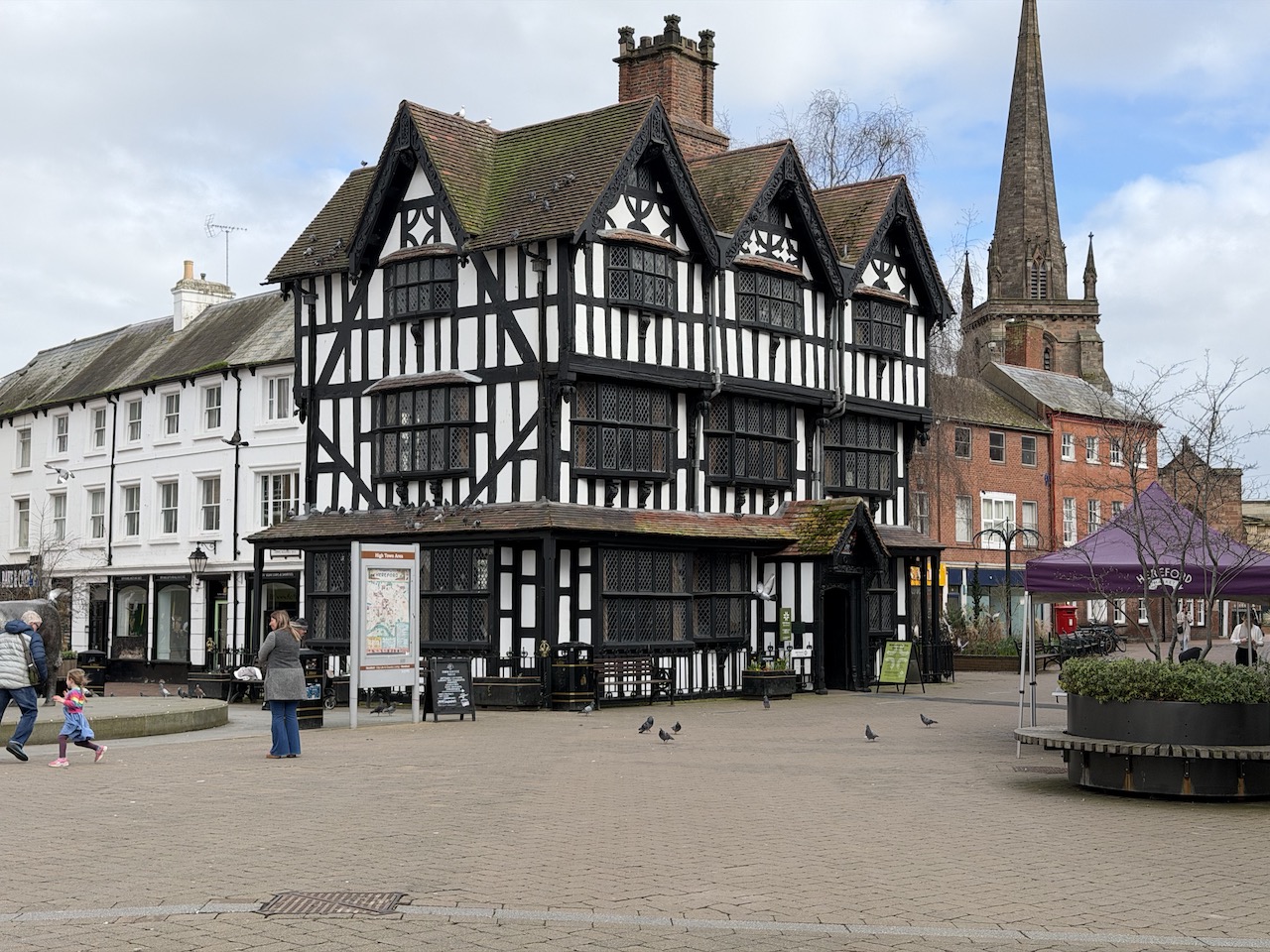
The Old House
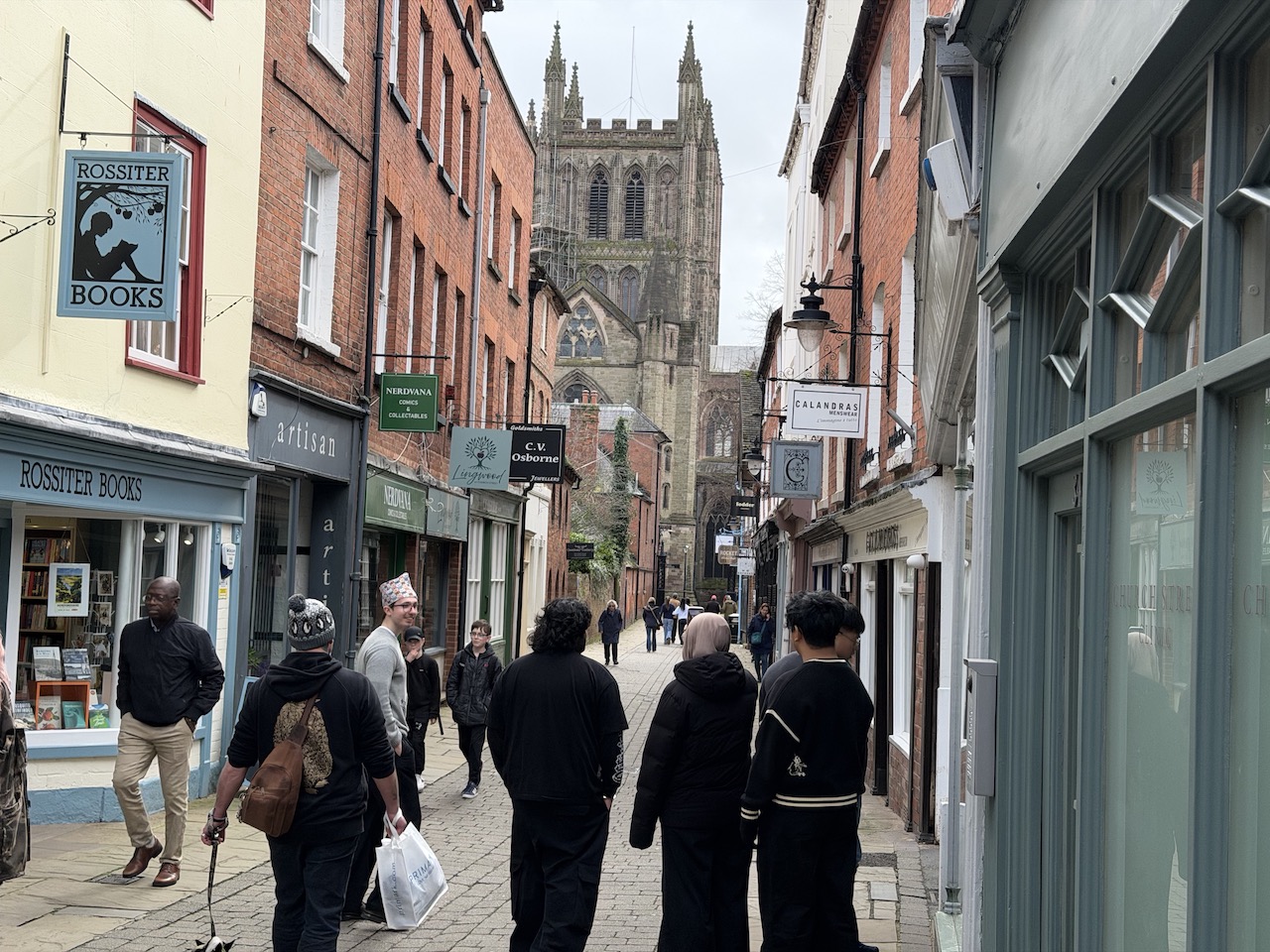
The narrow streets of Hereford
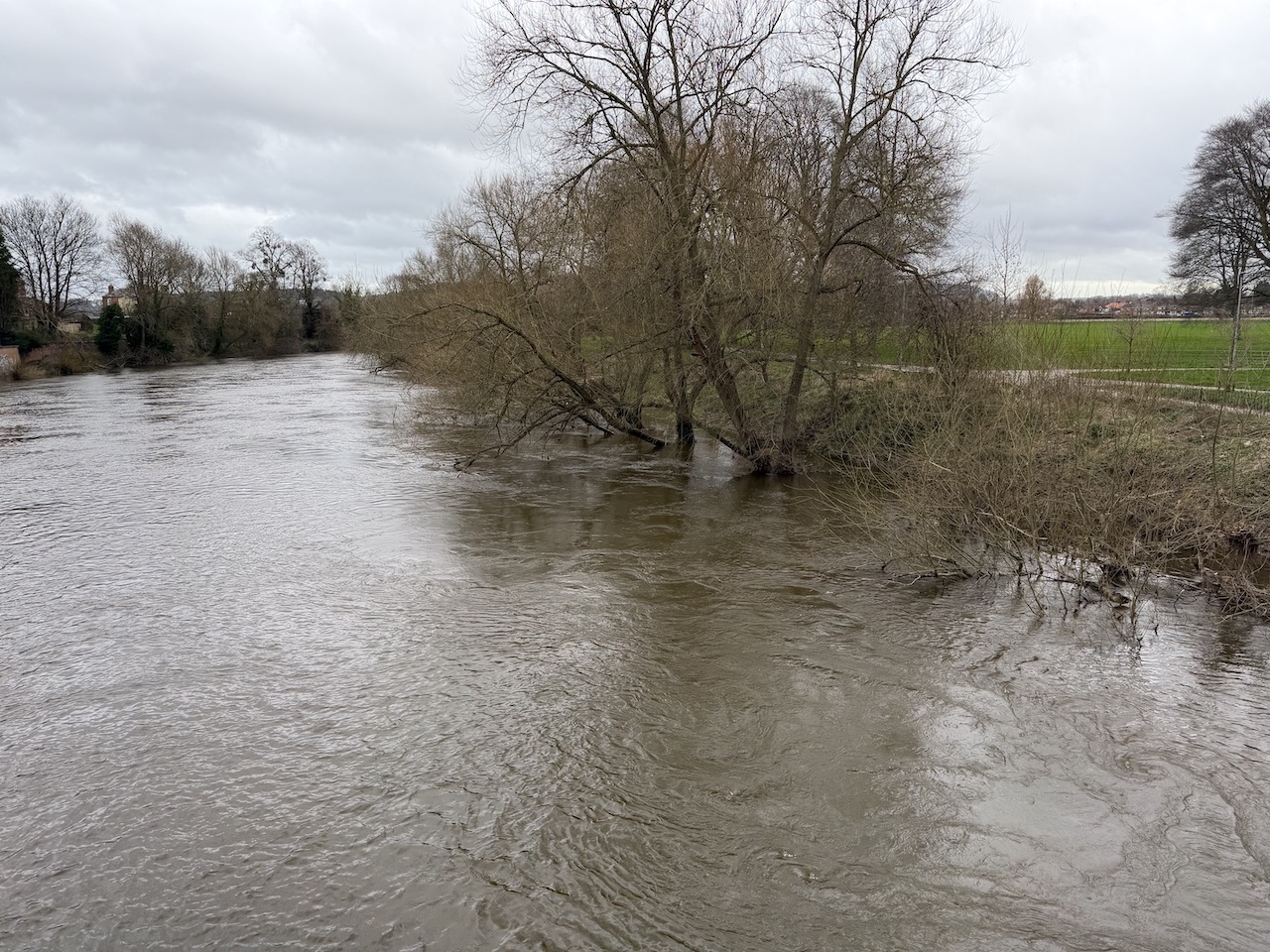
The river Wye
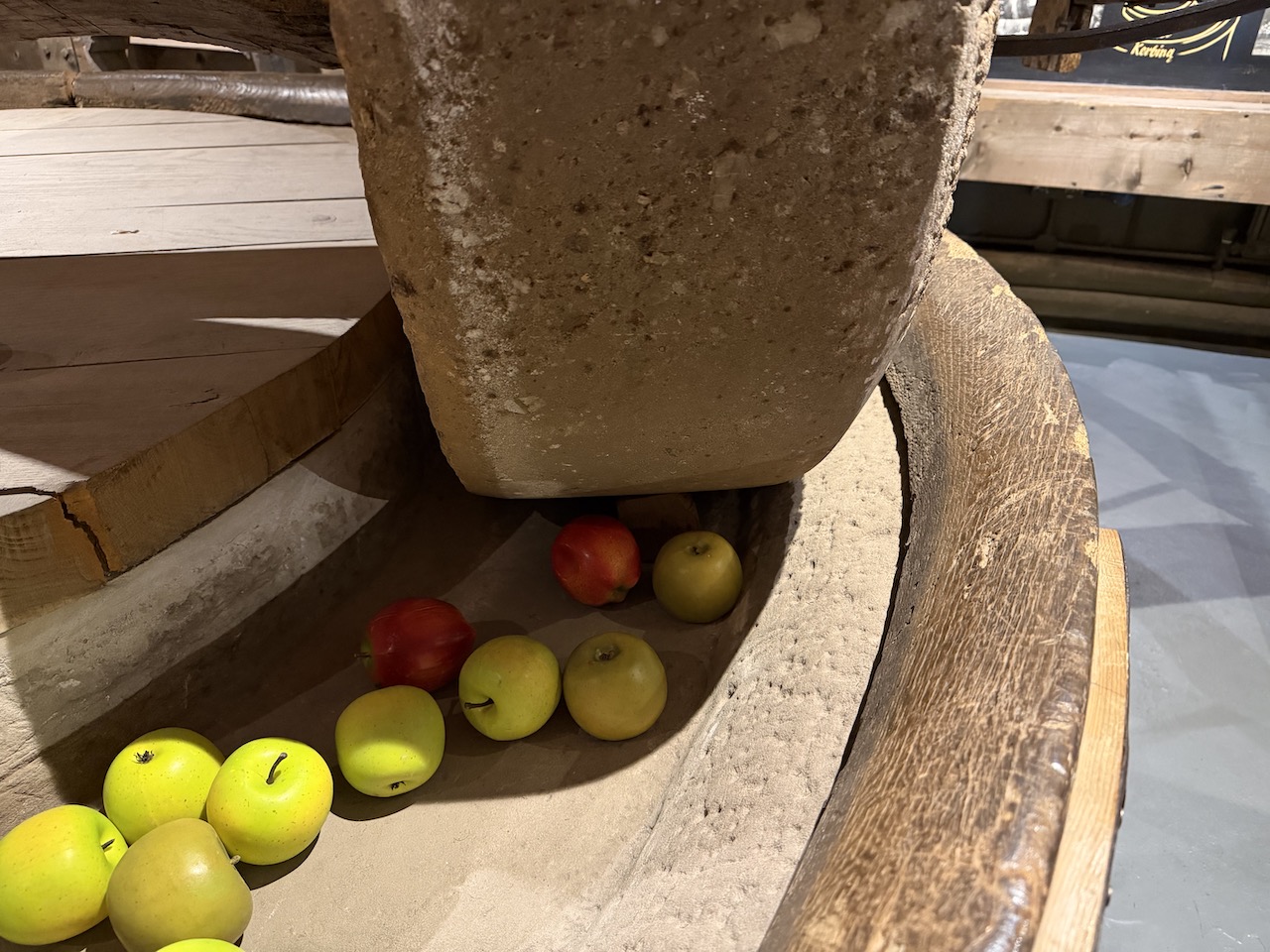
Apples abound in Hereford